
New features
Last updated: 10/15/2026Application integration
| Feature | Description |
|---|---|
| Ability to activate API documentation for REST services | You can now activate documentation of an API implementation for REST
services using the Expose OpenAPI documentation option in
the tRESTRequest and cREST components. For more information, see tRESTRequest and cREST. 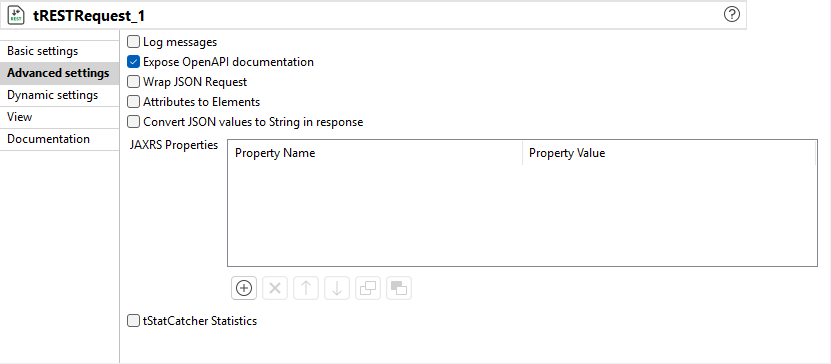 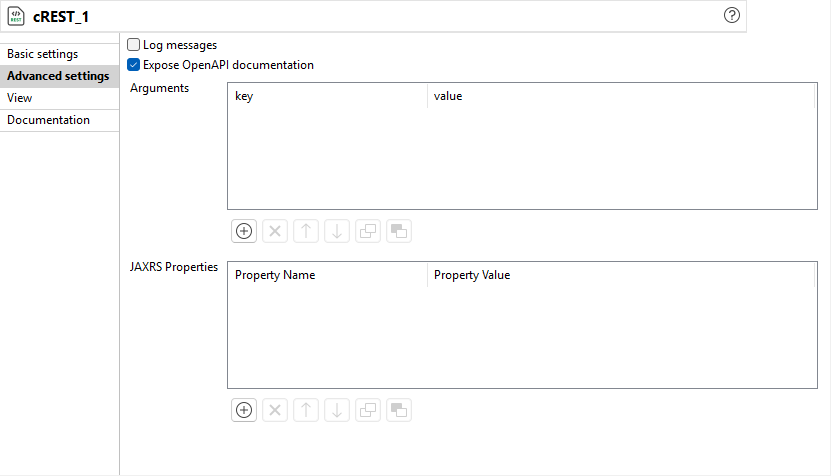 |
| New cLangChainMCPClient component for Routes to leverage MCP servers | A new cLangChainMCPClient component is now available for Routes to connect and communicate with MCP servers using Large Language Models (LLMs). |
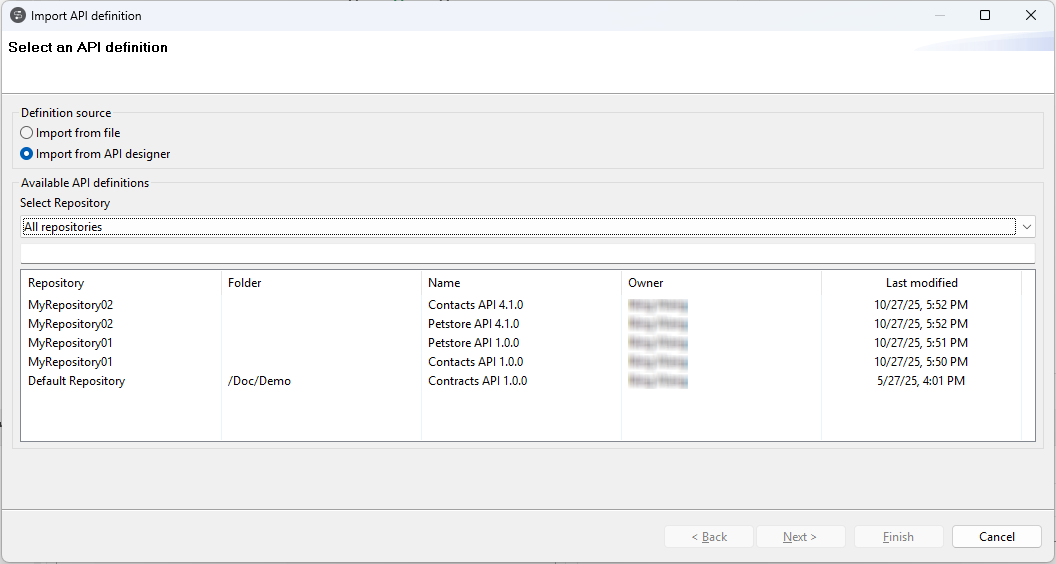
| Enhancement of API Import wizard to reflect repositories in API designer |
The API Import wizard now reflects repositories in API designer. A
Repository column is added to the API definitions
table. You can also filter API definitions by repository.
|
| Support for chat memory in cLangChainTools | You can now activate chat memory in the cLangChainTools component using the
Chat with memory option.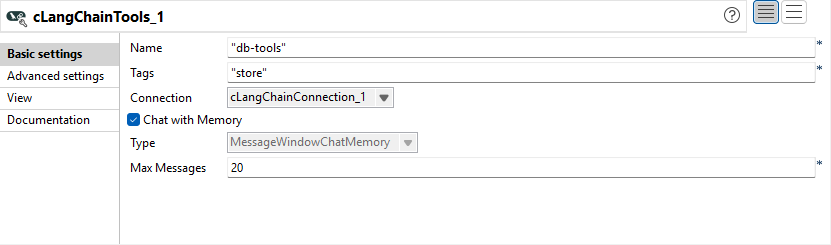
|
Big Data
| Feature | Description |
|---|---|
| Unified support for Databricks Spark 3.x runtimes under a single Spark 3.x option | All Databricks runtime versions 3.1.x, 3.2.x, 3.3.x, and 3.4.x are now
mapped to Spark 3.x.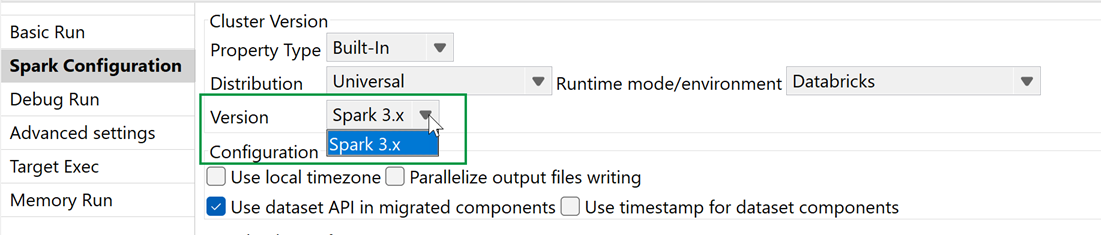
|
| Support for Databricks Unity Catalog in tIcebergInput and tIcebergOutput | You can now use Unity Catalog to work with managed tables in tIcebergInput
and tIcebergOutput components.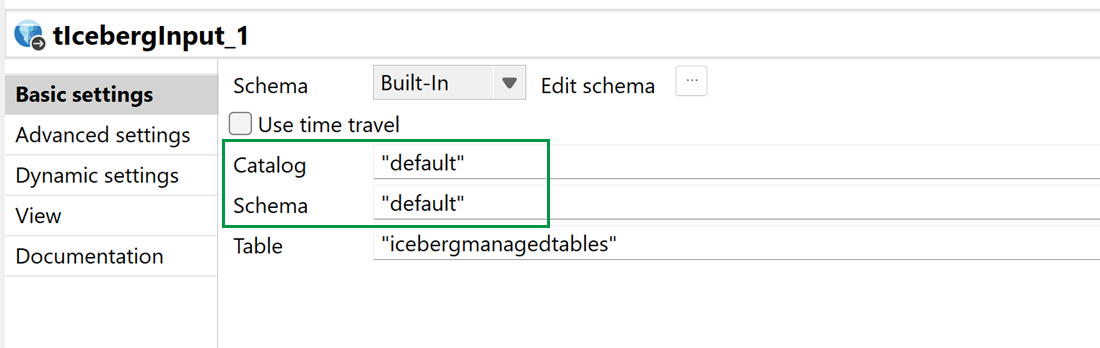
|
Continuous Integration
| Feature | Description |
|---|---|
|
Upgrade of Talend CI Builder to version 8.0.24 |
Talend CI Builder is upgraded from version 8.0.23 to version 8.0.24. Use Talend CI Builder 8.0.24 in your CI commands or pipeline scripts from this monthly version onwards until a new version of Talend CI Builder is released. |
Data Integration
| Feature | Description |
|---|---|
|
Support for Amazon DocumentDB version 5.0 for DocumentDB components in Standard Jobs |
The DocumentDB components have been updated to support Amazon DocumentDB
version 5.0:
For details about Amazon DocumentDB compatibility with MongoDB, see the Amazon documentation. |
Data Mapper
| Feature | Description |
|---|---|
| Support for auto mapping for MapValues function in Standard maps | You can now use the Auto Map option in the mapping
toolbar when using the MapValues function in Standard maps. This option allows you
to automatically map input to output values based on names or descriptions, rather
than doing a manual drag-and-drop.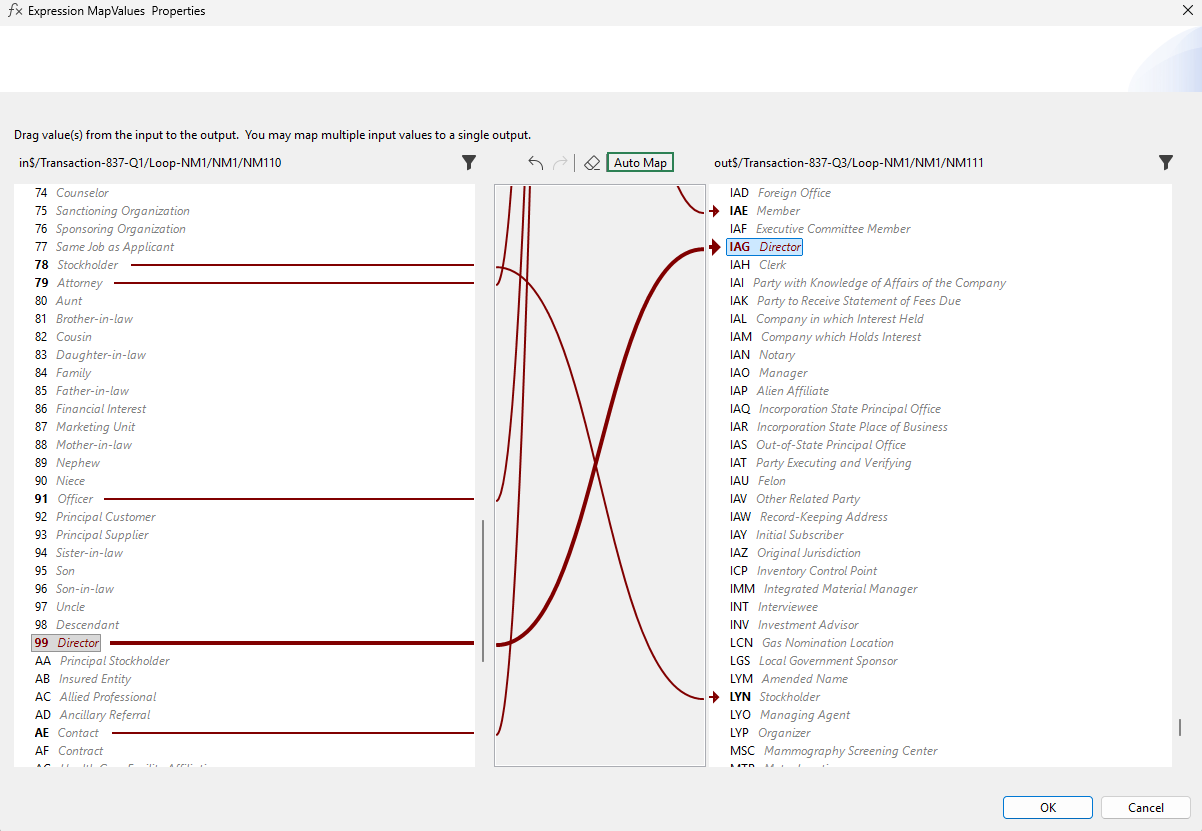
|
| Improvement of drag-and-drop for functions in the expression editor in DSQL maps | You can now drag and drop functions onto literal values in the DSQL
expression editor. For example, if you have the expression sum(mass), where mass is a string, and you drag the toInteger function onto the mass literal, the editor automatically updates the expression to sum(toInteger(mass)). |
| Support for Indent option in the fragment editor in DSQL maps | You can now use the Indent option when right-clicking
the fragment editor of your DSQL map. This option allows you to indent the entire
expression or query for better readability. For example, before using the
indentation the query might look like this:
|
Data Quality
| Feature | Description |
|---|---|
| Support for more authentication methods for Snowflake as a data mart | You can now use the following authentication methods:
|